CDL Questions and Answers PDF: A Comprehensive Study Guide
Prepare effectively for your Commercial Driver’s License exam with readily available, updated resources, including free practice tests and comprehensive study guides for 2025 and 2026.
What is a Commercial Driver’s License (CDL)?
A Commercial Driver’s License (CDL) is a special license required to operate large, heavy vehicles. These vehicles typically include tractor-trailers, buses carrying passengers, and vehicles transporting hazardous materials. Obtaining a CDL signifies that a driver has met specific knowledge and skill requirements, ensuring they can safely operate these complex vehicles on public roadways.
The requirements for obtaining a CDL vary by state, but generally involve passing written knowledge tests covering general knowledge, combination vehicles, air brakes, and potentially endorsements for specific cargo types like hazardous materials or tanker loads. Successful candidates must also demonstrate proficiency through a skills test, including pre-trip inspection, basic vehicle control, and on-road driving.
A CDL isn’t just a license; it’s a gateway to numerous career opportunities in the transportation industry, offering stable employment and competitive wages. Preparing with CDL questions and answers PDFs is crucial for success.
Why Use a CDL Questions and Answers PDF?
Utilizing a CDL questions and answers PDF offers a convenient and cost-effective method for exam preparation. These resources consolidate essential information from official CDL manuals into a readily accessible format, allowing for focused study anytime, anywhere. PDFs facilitate offline access, eliminating reliance on internet connectivity during study sessions.
Practice questions mirroring the actual CDL exam format build confidence and identify knowledge gaps. Reviewing correct answers with detailed explanations reinforces understanding of crucial concepts, such as hours of service regulations and cargo securement.
Furthermore, a well-structured PDF streamlines the learning process, enabling targeted practice in specific areas like air brakes or hazardous materials. CDL practice tests within these PDFs simulate the exam environment, reducing test anxiety and maximizing your chances of passing on the first attempt.

General Knowledge CDL Questions
Master fundamental concepts crucial for all commercial drivers, covering topics like vehicle inspection, safe driving practices, and essential regulations for passing your CDL.
Basic Vehicle Control
Understanding vehicle dynamics is paramount for safe commercial operation. CDL practice materials emphasize mastering steering, acceleration, braking, and backing techniques with a large vehicle. Expect questions assessing your knowledge of proper gear selection for varying conditions, maintaining safe following distances, and executing smooth lane changes.
Practice tests frequently include scenarios requiring you to identify the correct procedure for controlling a vehicle on grades, navigating curves, and responding to unexpected hazards. Furthermore, a solid grasp of vehicle weight and balance is essential, as it directly impacts handling and stability.
Preparation should also involve understanding the effects of adverse weather conditions on vehicle control, and how to adjust driving techniques accordingly. Successfully answering questions in this area demonstrates a commitment to responsible and safe driving practices.
Hours of Service Regulations
Compliance with Hours of Service (HOS) regulations is critical for all commercial drivers. CDL practice tests heavily focus on understanding the Federal Motor Carrier Safety Administration (FMCSA) rules governing driving and on-duty time limits. Expect questions regarding 11-hour driving limits, 14-hour duty day limits, and mandatory rest breaks.
You’ll need to demonstrate knowledge of how to accurately record your hours using logs (electronic logging devices ― ELDs are now standard), and the implications of violating HOS rules. Understanding sleeper berth provisions, short-haul exceptions, and adverse driving conditions allowances is also vital.
Practice materials will present scenarios requiring you to calculate available driving time and determine if a proposed trip is compliant with HOS regulations. Mastering these rules is essential for avoiding penalties and ensuring driver fatigue doesn’t compromise safety.
Cargo Securement
Proper cargo securement is paramount for safe commercial vehicle operation, and a significant portion of CDL exams assesses your knowledge in this area. Expect questions covering the correct use of tie-downs, straps, chains, and other securing devices based on cargo type and weight.
CDL practice tests will challenge you to identify the appropriate number of tie-downs required for various loads, understand weight distribution principles, and recognize potential hazards associated with improperly secured cargo. You must know regulations for different commodities like logs, steel coils, and vehicles.
Familiarize yourself with securing methods for flatbeds, vans, and other trailer types. Understanding the working load limits of securing devices and the importance of regular inspections are also crucial for passing your exam and ensuring road safety.
Driving Safely – Defensive Driving Techniques
Mastering defensive driving is critical for CDL holders, and exam questions heavily emphasize hazard perception and proactive safety measures. CDL practice tests will assess your ability to anticipate potential dangers, maintain adequate following distances, and react appropriately to adverse conditions like inclement weather or aggressive drivers.
Expect scenarios requiring you to identify escape routes, manage distractions, and understand the effects of fatigue and medication on driving performance. Knowledge of proper braking techniques, lane positioning, and communication signals is also vital.
Focus on recognizing high-risk situations and employing strategies to mitigate them. Understanding space management, visibility limitations, and the importance of maintaining a safe speed are key components of successful CDL exam preparation.

CDL Endorsements & Restrictions
Unlock specialized driving privileges by understanding endorsements like Hazmat, Tanker, and Combination, alongside restrictions impacting your CDL operation and capabilities.
Hazmat (H) Endorsement
Securing a Hazardous Materials (Hazmat) endorsement demands rigorous preparation, as it signifies your ability to safely transport dangerous goods. This endorsement isn’t simply about passing a test; it’s about understanding the immense responsibility associated with handling potentially harmful substances. Comprehensive study guides and practice tests specifically geared towards the Hazmat portion of the CDL exam are crucial.
You’ll need to master regulations set forth by the Department of Transportation (DOT), covering proper labeling, placarding, loading, and unloading procedures. Expect detailed questions on hazard classes, emergency response protocols, and security awareness. Thoroughly review the official CDL manual’s Hazmat section and utilize dedicated practice PDFs to reinforce your knowledge. Passing the Hazmat test also requires a background check by the Transportation Security Administration (TSA).
Tanker (N) Endorsement
The Tanker (N) endorsement is essential for drivers transporting liquids or gases in bulk within tanks of 1,000 gallons or more. Obtaining this endorsement requires focused study on the unique challenges associated with handling these materials. Practice tests and study guides specifically designed for the Tanker endorsement are invaluable resources.
You’ll encounter questions regarding tank loading and unloading procedures, surge control, baffle effectiveness, and the dangers of static electricity. Understanding the physics of liquid movement within a tank is critical. Familiarize yourself with proper inspection techniques for tank components and emergency procedures in case of a leak or spill. Dedicated CDL practice PDFs will help solidify your understanding of these complex concepts, preparing you to safely operate tanker vehicles.
Combination (C) Endorsement
The Combination (C) endorsement is arguably one of the most frequently sought CDL endorsements, allowing operation of vehicle combinations – a tractor-trailer, for example. Mastering the principles of combination vehicle control is paramount for safe operation. Comprehensive CDL practice PDFs focusing on this endorsement are crucial for exam success.
Expect questions covering coupling and uncoupling procedures, proper use of mirrors, off-tracking, and the effects of adverse conditions on handling. Understanding the dynamics of air brake application and retardation across the combination is vital. Practice tests will assess your knowledge of weight distribution, braking distances, and emergency procedures specific to combination vehicles. Thorough preparation with dedicated study materials will build confidence and ensure you’re ready to pass the CDL exam.
Double/Triple Trailers (T) Endorsement
Securing the Double/Triple Trailers (T) endorsement signifies proficiency in operating multiple trailer combinations, a specialized skill demanding heightened awareness and control. CDL practice PDFs dedicated to this endorsement are essential for navigating the complexities of these vehicle configurations.
Expect exam questions to delve into proper coupling/uncoupling procedures for multiple trailers, understanding slack and surge, and managing increased braking distances. You’ll need to demonstrate knowledge of weight distribution, proper mirror usage for extended visibility, and the unique challenges presented by adverse weather conditions. Practice tests will assess your ability to anticipate and react to potential hazards. Focused study, utilizing reliable practice materials, is key to mastering the skills and knowledge required to safely operate double or triple trailer combinations and pass the CDL exam.

Air Brake System Questions
Master air brake knowledge with dedicated CDL practice PDFs, covering inspection, components, and failure procedures – crucial for safe operation and exam success.
Air Brake Inspection Procedures
Thorough pre-trip air brake inspections are paramount for CDL holders, ensuring vehicle safety and compliance. Practice PDFs emphasize a systematic approach, starting with leak checks – listen for hissing sounds and inspect connections. Low-pressure warnings must be tested, verifying activation before 60 PSI.
Service brake functionality is critical; ensure proper stopping power during the test. Parking brake effectiveness should also be confirmed, holding the vehicle securely on an incline. Slack adjusters require careful examination, checking for excessive travel.

CDL study materials highlight the importance of documenting any defects discovered during the inspection. Familiarize yourself with the specific inspection criteria outlined in your state’s CDL manual and practice identifying potential issues before your exam. Consistent practice with these procedures builds confidence and promotes safe driving habits.
Air Brake System Components
Understanding the core components of an air brake system is crucial for CDL exam success. Practice PDFs detail the function of the air compressor, building and maintaining air pressure within the system. The governor regulates pressure, preventing overcharging, while the storage tanks hold compressed air for use.
The brake chamber converts air pressure into mechanical force, applying the brakes. Slack adjusters translate this force to the brake shoes or pads. CDL study guides emphasize the role of the treadle valve, controlling air flow to the brakes when the pedal is pressed.
Familiarize yourself with the air lines, hoses, and fittings, identifying potential leak points. Mastering these components and their interactions is vital for passing the air brake endorsement and ensuring safe operation.
Air Brake Failure Procedures

Knowing how to react to air brake failure is paramount for safety and CDL exam preparedness. Practice PDFs highlight the immediate steps: safely pull off the road, away from traffic, and activate your hazard lights. Never attempt to repair the system on a roadway.
CDL study materials emphasize applying the parking brake, then the emergency brake if needed, understanding their limitations. Gradually downshift, avoiding abrupt braking, and be prepared to steer into a safe escape route.
Recognize the signs of failure – low air pressure warnings, longer stopping distances, or a feeling of sponginess in the brake pedal. Regular inspection and prompt reporting of issues are crucial. Mastering these procedures demonstrates competency and ensures responsible driving.

Pre-Trip Inspection Questions
Thorough pre-trip inspections are vital. CDL practice PDFs focus on systematically checking vehicle components, ensuring safety, and identifying potential mechanical issues before operation.
Engine Compartment Inspection
A meticulous engine compartment inspection is a cornerstone of the CDL pre-trip process. CDL practice PDFs emphasize checking fluid levels – oil, coolant, power steering, windshield washer – for proper amounts and leaks. Inspect belts for cracks, frays, and correct tension. Examine hoses for leaks, bulges, or deterioration.
Pay close attention to the wiring, ensuring no wires are loose, damaged, or touching each other. Verify the alternator and water pump are securely mounted and functioning correctly. Check the power steering pump for leaks and proper operation. Inspect the air compressor and its drive belt.
Practice PDFs will drill you on identifying acceptable wear and tear versus conditions requiring immediate repair, ultimately ensuring a safe and mechanically sound vehicle before hitting the road.
Vehicle Exterior Inspection
The vehicle exterior inspection, crucial for CDL pre-trip, demands a systematic approach. CDL practice PDFs highlight checking lights – headlights, brake lights, turn signals, hazard lights – ensuring all are clean, functioning, and properly aligned. Inspect tires for adequate tread depth, proper inflation, and any cuts or bulges.
Examine wheels for cracks, lug nut tightness, and proper mounting. Verify the condition of the vehicle’s body, looking for dents, damage, or corrosion. Check the windshield and mirrors for cracks or obstructions. Inspect the fuel tanks for leaks and secure mounting.
Practice materials emphasize identifying potential hazards and ensuring the vehicle meets safety standards before operation, contributing to a safe journey.
In-Cab Inspection
The in-cab inspection, a vital component of the CDL pre-trip, focuses on driver controls and safety equipment. CDL practice PDFs stress verifying the functionality of the steering wheel, ensuring smooth and responsive operation. Check the condition of the seatbelts, confirming they latch securely and are free from damage.
Inspect the mirrors – both interior and exterior – for proper adjustment and clarity. Test the operation of the windshield wipers and defrosters. Verify the functionality of the horn and all warning lights.
Ensure the emergency equipment, like fire extinguishers and warning devices, are present and accessible. Practice materials emphasize a thorough check of all in-cab systems to guarantee safe vehicle control.
Specific Vehicle Type Questions
Master vehicle-specific knowledge for your CDL exam, focusing on bus or truck operations, utilizing practice PDFs tailored to each unique vehicle type’s requirements.
Bus CDL Questions
Preparing for the Bus CDL exam requires focused study on passenger safety, vehicle systems specific to buses, and adherence to stringent regulations; Practice PDFs offer targeted questions covering topics like passenger control, emergency procedures, and proper operation of wheelchair lifts. Key areas include understanding federal and state regulations regarding bus operation, pre-trip inspection procedures tailored for buses – focusing on items like emergency exits, lighting, and braking systems – and mastering defensive driving techniques applicable to larger passenger vehicles.
Effective study materials will also address topics such as maintaining space cushion, proper mirror usage, and managing distractions while transporting passengers. Utilizing practice tests mirroring the actual exam format is crucial for success. Remember to review questions related to alcohol and drug regulations, as well as driver fatigue management, specifically as they pertain to commercial bus drivers.
Truck CDL Questions
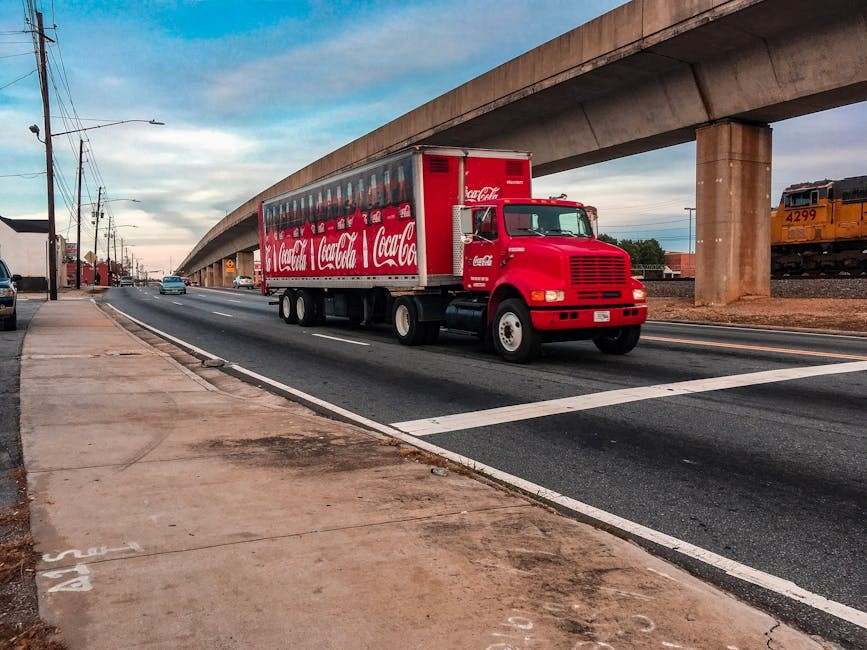
Mastering the Truck CDL exam demands a thorough understanding of vehicle control, cargo securement, and hours of service regulations specific to commercial trucks. Practice PDFs provide focused questions on topics like weight and balance, braking systems, and safe backing maneuvers. Key areas include pre-trip inspection procedures tailored for trucks – emphasizing components like tires, brakes, and coupling devices – and proficiency in managing various load types and securing them appropriately.
Comprehensive study materials will also cover topics such as defensive driving techniques for large vehicles, hazard perception, and proper procedures for handling emergency situations. Utilizing practice tests that simulate the actual exam environment is vital. Don’t overlook questions concerning vehicle maintenance, fuel efficiency, and adherence to all applicable transportation laws and regulations.

Understanding CDL Exam Scoring
Achieve a passing score by familiarizing yourself with CDL exam requirements, avoiding common errors, and utilizing practice tests for optimal preparation and success.
Passing Score Requirements
Successfully navigating the CDL exam necessitates understanding the specific passing score criteria established by each state’s Department of Motor Vehicles (DMV). Generally, a minimum score of 80% is required to pass the CDL general knowledge test, and most endorsement exams also adhere to this standard. However, it’s crucial to verify the exact percentage needed in your specific jurisdiction, as some states may have slightly different thresholds.
Furthermore, the scoring system typically involves a weighted approach, meaning certain question types may carry more significance than others. Failing to achieve the required score on any section of the exam will necessitate retaking that portion. Thorough preparation using CDL practice tests and a comprehensive study guide is paramount to confidently meet these passing score requirements and secure your commercial driver’s license.
Common Mistakes to Avoid
Many candidates stumble on the CDL exam due to preventable errors. A frequent misstep is rushing through questions without carefully reading the entire scenario and all answer options. Misinterpreting terminology, particularly regarding regulations and vehicle systems, is also common. Neglecting to thoroughly understand the pre-trip inspection process and its associated components often leads to point deductions.
Additionally, overlooking crucial details in hazard perception questions or miscalculating stopping distances can significantly impact your score. Relying solely on memorization without grasping the underlying principles of safe driving practices is another pitfall. Utilizing CDL practice tests and diligently reviewing the official state CDL manual will help you identify and correct these common mistakes, maximizing your chances of success.
Resources for Additional Practice
To bolster your CDL exam preparation, several excellent resources are readily available. Begin with your state’s official CDL manual, providing the foundational knowledge required for success. Numerous reputable online CDL test prep providers offer comprehensive practice tests covering general knowledge, air brakes, hazmat, and all endorsements. These platforms often simulate the actual exam environment, aiding in familiarity and reducing test anxiety.
Furthermore, explore free CDL practice tests online, focusing on specific areas where you need improvement. Consider utilizing mobile apps designed for CDL study, allowing for convenient practice on the go. Remember to prioritize resources aligned with the latest CDL regulations and consistently evaluate your progress through practice testing.

Finding Reliable CDL Practice PDFs
Access official state CDL manuals and trusted online test prep providers for accurate, up-to-date practice materials, ensuring thorough preparation for your exam success.
Official State CDL Manuals
Your state’s Department of Motor Vehicles (DMV) is the primary source for the most accurate and current CDL information. These manuals are specifically tailored to the regulations and requirements of that particular state, making them invaluable for exam preparation. They cover everything from general knowledge and combination vehicle operation to specific endorsements like Hazmat and Tanker.
Downloading these manuals is typically free and readily available online through the DMV’s website. While practice tests are helpful, the official manual provides the foundational knowledge necessary to understand the why behind the rules, not just the what. Always prioritize studying the official manual first, then supplement with practice questions. Remember that CDL regulations can vary significantly between states, so using the correct state’s manual is crucial for success. Ignoring this step could lead to studying irrelevant information and failing the exam.
Reputable Online CDL Test Prep Providers
Numerous online platforms offer CDL practice tests and study materials, providing a convenient and often affordable way to supplement your learning. These providers frequently update their content to reflect the latest CDL regulations and exam formats, ensuring you’re practicing with relevant questions. Look for providers offering comprehensive packages that include general knowledge, air brakes, and all available endorsements.
When choosing a provider, consider factors like user reviews, the number of practice questions available, and the quality of explanations for both correct and incorrect answers. Some platforms offer simulated exams that mimic the real testing environment, helping you build confidence and manage your time effectively. While free resources are available, paid services often provide more in-depth coverage and personalized feedback, ultimately increasing your chances of passing the CDL exam on your first attempt.
