Fire extinguishers are crucial for initial fire control‚ with various types – water‚ foam‚ CO2‚ dry chemical‚ and specialized options – each suited for specific fire classes.
Importance of Fire Safety
Prioritizing fire safety is paramount for protecting lives and property. Quick response with the correct fire extinguisher can contain a small fire‚ preventing catastrophic damage. Understanding fire extinguisher types – water‚ foam‚ CO2‚ dry chemical‚ and those for Class D and K fires – is vital.
Knowing which extinguisher to use on different fire classes (A‚ B‚ C‚ D‚ K) is crucial; using the wrong type can worsen the situation; Regular inspection and maintenance of extinguishers‚ alongside a well-defined evacuation plan‚ significantly enhance safety. Early detection and swift action‚ utilizing appropriate extinguishing methods‚ minimize risks and ensure a safer environment for everyone.
Overview of Fire Extinguisher Types
Fire extinguishers are categorized by the types of fires they effectively combat. Class A extinguishers tackle ordinary combustibles like wood and paper‚ often using water or foam. Class B extinguishers handle flammable liquids – gasoline‚ oil – typically employing foam‚ CO2‚ or dry chemical.
Class C extinguishers are for electrical fires‚ requiring non-conductive agents like CO2 or dry chemical. Class D extinguishers address combustible metals‚ needing specialized dry powder. Class K extinguishers target kitchen fires involving cooking oils‚ utilizing wet chemical agents. Multi-purpose (ABC) extinguishers offer broad protection‚ but understanding individual types ensures optimal fire suppression.
Class A Fire Extinguishers
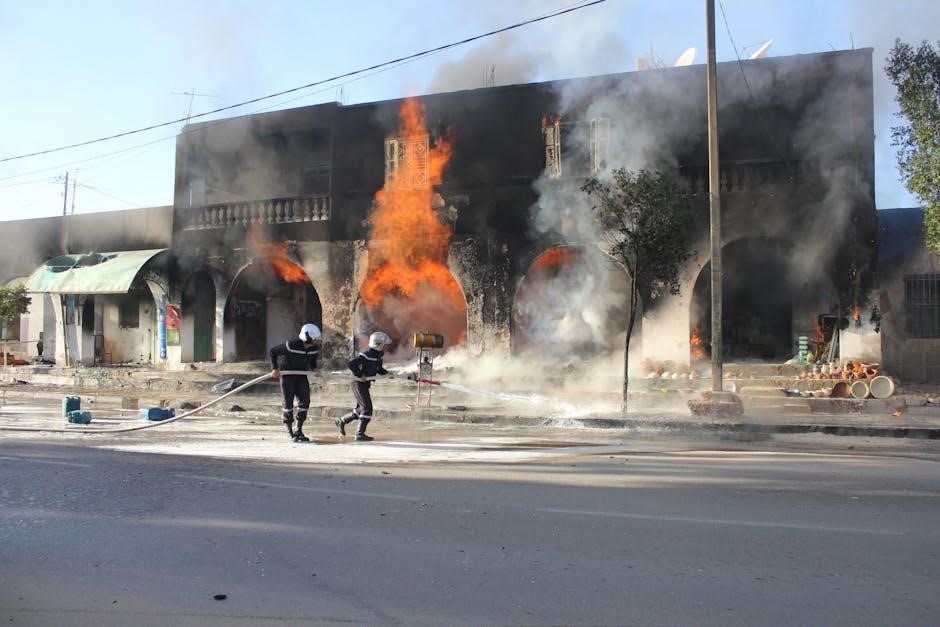
Class A extinguishers effectively extinguish fires involving ordinary combustibles like wood‚ paper‚ cloth‚ and plastic‚ utilizing water or foam agents.
What are Class A Fires?
Class A fires involve common combustible materials such as wood‚ paper‚ cloth‚ rubber‚ and many plastics. These are the types of fires most people readily visualize when thinking about fire hazards. The fuel source is typically solid and leaves an ash residue‚ hence the “A” classification.
These fires are generally straightforward to extinguish‚ but can quickly escalate if not addressed promptly. The key to effective suppression is cooling the material below its ignition temperature and penetrating the material to extinguish any remaining embers. Water is exceptionally effective on Class A fires due to its cooling properties‚ making it a primary choice for this fire type. However‚ other extinguishing agents like foam and certain dry chemical formulations are also suitable.
Types of Class A Extinguishers
Several extinguisher types effectively combat Class A fires. Water fire extinguishers are the most common‚ utilizing water’s cooling effect to reduce fuel temperature below ignition. Foam fire extinguishers create a blanket‚ suppressing vapors and preventing re-ignition‚ also offering some cooling. They’re effective on layered fuels.
While dry powder extinguishers can be used on Class A fires‚ they are less efficient than water or foam‚ primarily focusing on interrupting the chemical reaction. Wet chemical extinguishers‚ typically for kitchen fires‚ also work on Class A materials. Choosing the right extinguisher depends on the specific scenario and available resources‚ prioritizing safety and complete extinguishment.
Water Fire Extinguishers
Water fire extinguishers are primarily designed for Class A fires – those involving ordinary combustibles like wood‚ paper‚ and cloth. They function by cooling the burning material below its ignition temperature‚ effectively halting the combustion process. These extinguishers are highly effective and relatively inexpensive‚ making them a common choice for general fire protection.
However‚ it’s crucial to remember that water should never be used on electrical fires (Class C) or flammable liquid fires (Class B) due to the risk of electrocution or spreading the fire. Water extinguishers are typically pressurized with air and are readily available in various sizes‚ suitable for both home and commercial use.
Foam Fire Extinguishers
Foam fire extinguishers are versatile‚ effective against both Class A (ordinary combustibles) and Class B (flammable liquids) fires. They work by creating a blanket of foam that cools the fuel and prevents oxygen from reaching it‚ smothering the fire. This foam also prevents reignition by suppressing flammable vapors.
Unlike water‚ foam extinguishers are safer to use on some flammable liquid fires‚ though still not on electrical fires. They are particularly useful in areas where flammable liquids are present‚ such as garages or workshops. Foam extinguishers utilize a water-based solution mixed with a foaming agent‚ and are available in different formulations for varied applications.
Class B Fire Extinguishers
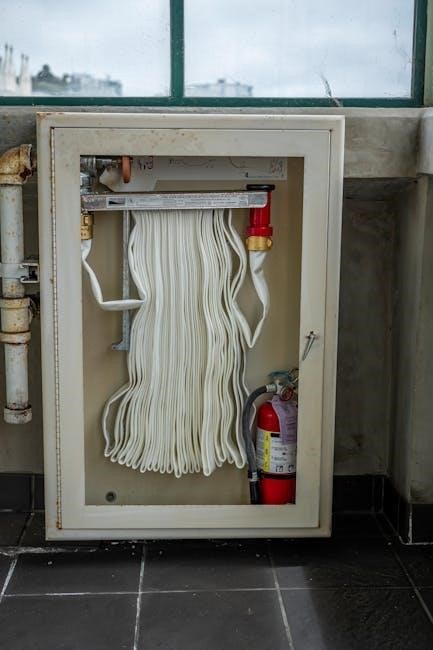
Class B fires involve flammable liquids like gasoline‚ oil‚ and grease. Extinguishers utilizing CO2 or dry chemical agents are most effective at quickly suppressing these blazes.
What are Class B Fires?
Class B fires encompass those fueled by flammable liquids and gases. This category includes substances like gasoline‚ oil‚ grease‚ kerosene‚ propane‚ and similar materials. These fires are particularly dangerous due to the rapid spread of flames across the liquid surface and the potential for reignition if not completely extinguished.
Unlike Class A fires involving solid materials‚ Class B fires don’t leave behind embers or ash. However‚ the vapors released from these liquids are highly combustible and can easily ignite. Attempting to extinguish a Class B fire with water can actually worsen the situation‚ causing the flammable liquid to spread and intensify the blaze. Therefore‚ specialized extinguishing agents are required to effectively combat these types of fires.
Types of Class B Extinguishers
Carbon Dioxide (CO2) extinguishers are highly effective on Class B fires‚ working by displacing oxygen and cooling the fuel. They leave no residue‚ making them ideal for sensitive equipment. Dry Chemical extinguishers‚ utilizing agents like sodium bicarbonate or potassium bicarbonate‚ interrupt the chemical reaction of the fire.
These are versatile and commonly used for both Class B and C fires. However‚ dry chemical extinguishers can leave a corrosive residue requiring cleanup; Foam extinguishers‚ creating a blanket to suppress vapors and prevent reignition‚ are also suitable for Class B fires‚ particularly those involving spills. Selecting the appropriate extinguisher depends on the specific flammable liquid and the surrounding environment.
Carbon Dioxide (CO2) Fire Extinguishers
Carbon Dioxide (CO2) extinguishers are renowned for their effectiveness against Class B fires – those involving flammable liquids like gasoline‚ oil‚ and grease. They operate by displacing the oxygen surrounding the fire‚ effectively smothering the flames and simultaneously providing a cooling effect. A key advantage of CO2 extinguishers is that they leave no harmful residue‚ making them ideal for use around sensitive electronic equipment where damage from other agents could be costly.
However‚ it’s crucial to note that CO2 has limited range and can dissipate quickly in open or windy environments‚ potentially reducing its effectiveness. Always ensure adequate ventilation after use‚ as CO2 can displace oxygen and pose a suffocation hazard.
Dry Chemical Fire Extinguishers (for Class B)
Dry chemical fire extinguishers‚ specifically those designed for Class B fires‚ utilize finely powdered chemicals – typically sodium bicarbonate or potassium bicarbonate – to interrupt the chemical reaction fueling the flames. These extinguishers are highly effective on flammable liquid fires‚ creating a barrier between the fuel and the oxygen supply. They are versatile and relatively inexpensive‚ making them a common choice for homes and workplaces.
However‚ dry chemical agents can leave a corrosive residue that may damage sensitive equipment. Cleanup is also required after use. It’s important to note that these extinguishers may not be suitable for all types of fires.
Class C Fire Extinguishers
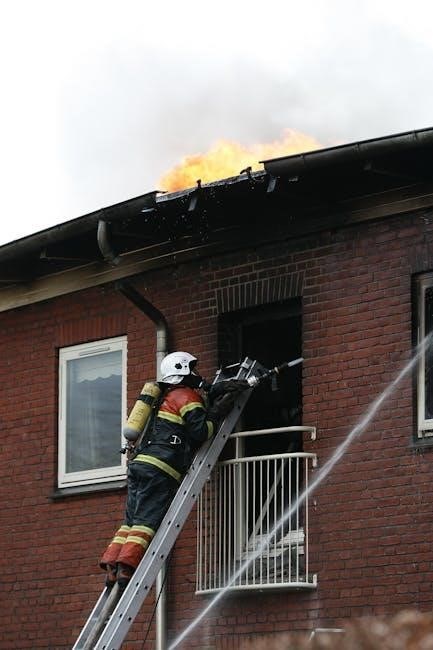
Class C fires involve energized electrical equipment; therefore‚ non-conductive extinguishing agents are essential to prevent electrocution and further hazards.
What are Class C Fires?
Class C fires are those that involve energized electrical equipment. This means any fire where electricity is present‚ such as wiring‚ appliances‚ or electrical panels. The primary hazard with these fires isn’t just the flame itself‚ but the risk of electrical shock. Water and other conductive materials cannot be used on Class C fires‚ as they pose a severe electrocution danger to anyone nearby.
These fires require specialized extinguishing agents that are non-conductive. Attempting to extinguish a Class C fire with the wrong type of extinguisher can worsen the situation‚ potentially causing injury or even death. It’s crucial to de-energize the electrical source‚ if possible‚ before attempting to extinguish the fire‚ transforming it into a Class A or B fire.
Using Extinguishers on Class C Fires
Extinguishing Class C fires demands caution and the correct agent. Primarily‚ carbon dioxide (CO2) and dry chemical extinguishers are suitable. CO2 extinguishes by displacing oxygen‚ leaving no residue‚ ideal for sensitive electronics. Dry chemical extinguishers interrupt the chemical reaction of the fire‚ but can cause cleanup issues.
Before using any extinguisher‚ attempt to safely de-energize the electrical source. If that’s impossible‚ maintain a safe distance – typically 8-10 feet – and aim at the base of the flames. Remember‚ even after extinguishing‚ monitor for re-ignition. Always prioritize personal safety and call the fire department‚ even if the fire appears to be out.

Class D Fire Extinguishers
Class D fires involve combustible metals; specialized dry powder extinguishers are essential. These smother the fire and absorb heat‚ preventing reignition effectively.
What are Class D Fires?
Class D fires are unique and particularly dangerous‚ involving combustible metals such as magnesium‚ titanium‚ zirconium‚ sodium‚ and potassium. These metals are often used in manufacturing‚ automotive‚ and aerospace industries‚ presenting specific fire hazards. Unlike common fires‚ water cannot extinguish Class D fires; in fact‚ it can exacerbate the situation‚ causing a violent reaction and spreading the burning metal.
These fires burn at extremely high temperatures and produce bright‚ intense flames. The finely divided metal particles react rapidly with oxygen‚ making them difficult to control. Attempting to use standard fire extinguishers – like water or foam – can be incredibly hazardous. Specialized extinguishing agents are absolutely necessary to safely suppress these types of blazes‚ requiring a deep understanding of the metal involved.
Specialized Dry Powder Extinguishers
Specialized dry powder extinguishers are specifically designed for Class D fires‚ involving combustible metals. These extinguishers don’t smother the fire like other types; instead‚ they work by creating a crust over the burning metal‚ effectively cutting off the oxygen supply and dissipating heat. The powder used is typically sodium chloride-based‚ graphite-based‚ or copper-based‚ chosen based on the specific metal involved in the fire.
Applying the powder gently is crucial‚ as forceful application can scatter the burning metal and worsen the situation. These extinguishers require specialized training for effective use‚ as incorrect application can be dangerous. It’s vital to identify the metal burning before selecting the appropriate dry powder agent to ensure successful fire suppression and prevent further hazards.
Class K Fire Extinguishers
Class K extinguishers utilize wet chemical agents to cool and saponify grease fires‚ commonly found in commercial kitchens‚ preventing re-ignition effectively.
What are Class K Fires?
Class K fires involve cooking oils and fats – typically vegetable or animal-based – and are common in commercial kitchens like restaurants. These fires burn at significantly higher temperatures than other common fire types‚ making them particularly dangerous and difficult to extinguish with standard extinguishers.
Water-based extinguishers can actually spread burning oil‚ exacerbating the situation. The high heat can cause the oil to splatter‚ spreading the fire and potentially causing severe burns. Class K fires require specialized extinguishing agents designed to saponify the oil‚ creating a soapy foam that smothers the fire and cools the burning liquid. Understanding the unique characteristics of these fires is vital for selecting the appropriate fire suppression equipment and ensuring safety in culinary environments.
Wet Chemical Fire Extinguishers
Wet chemical fire extinguishers are specifically designed for Class K fires – those involving cooking oils and fats. They contain a special potassium acetate-based agent that not only cools the burning oil but also creates a soapy foam through saponification. This foam effectively smothers the fire‚ preventing reignition by creating a barrier between the fuel and oxygen.
These extinguishers are crucial for commercial kitchens‚ offering a rapid and effective response to grease fires. Unlike water‚ which can spread burning oil‚ wet chemical agents safely neutralize the fuel source. Regular inspection and maintenance are vital to ensure proper functionality. They are generally stainless steel‚ resisting corrosion from the chemicals within.
Multi-Purpose Fire Extinguishers (ABC)
ABC extinguishers utilize dry chemical to combat Class A‚ B‚ and C fires‚ offering versatile protection for homes and general use scenarios.
Advantages of ABC Extinguishers
ABC fire extinguishers present a significant advantage due to their broad applicability‚ effectively tackling common combustibles like wood and paper (Class A)‚ flammable liquids such as gasoline and oil (Class B)‚ and electrical fires (Class C). This versatility makes them ideal for homes‚ offices‚ and vehicles where multiple fire hazards may exist.
Their widespread availability and relatively low cost further contribute to their popularity. Unlike needing several specialized extinguishers‚ a single ABC unit can address a variety of fire emergencies. This simplifies fire safety preparedness and reduces the overall expense. Furthermore‚ ABC extinguishers are generally easy to use‚ making them accessible to individuals with minimal training‚ enhancing overall safety for everyone.
Limitations of ABC Extinguishers
Despite their versatility‚ ABC fire extinguishers have limitations. The dry chemical agent‚ while effective‚ can create a significant mess‚ causing corrosion to sensitive electronic equipment and making cleanup challenging. This residue can be particularly problematic in offices or areas with valuable technology.
Furthermore‚ the discharged chemical can reduce visibility‚ hindering escape routes or firefighting efforts. ABC extinguishers are not suitable for Class D fires involving combustible metals like magnesium or titanium‚ requiring specialized extinguishers. Finally‚ the chemical can sometimes clump over time‚ potentially affecting the extinguisher’s reliability if not regularly inspected and serviced.
Fire Extinguisher Maintenance and Inspection
Regular checks—pressure gauges‚ physical damage‚ and nozzle obstructions—are vital. Professional servicing‚ annually or as required‚ ensures optimal functionality and reliability.
Regular Inspection Checklist
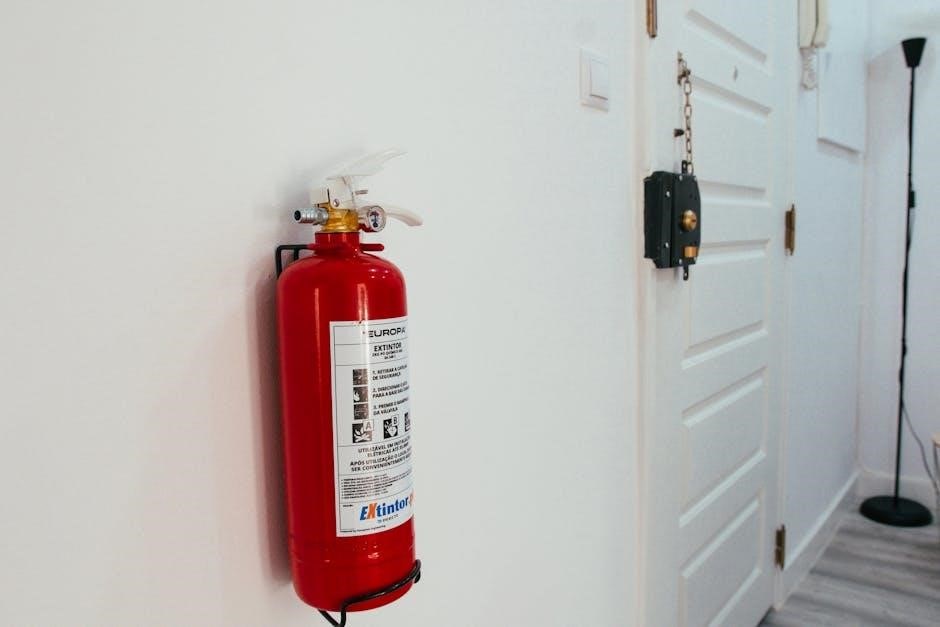
Monthly visual inspections are essential for fire extinguisher readiness. Confirm the extinguisher is in its designated location‚ easily accessible‚ and unobstructed. Verify the pressure gauge indicates the extinguisher is fully charged – within the green zone. Inspect for any visible signs of damage‚ such as dents‚ corrosion‚ or a damaged nozzle or hose.
Check the tamper seal is intact‚ confirming the extinguisher hasn’t been used or tampered with. Ensure the operating instructions are legible and facing outwards. Document all inspections‚ noting the date and any discrepancies found. A detailed record helps track maintenance needs and ensures consistent safety protocols. Remember‚ regular inspections don’t replace professional servicing‚ but they provide a crucial first line of defense.
Professional Servicing Requirements
Annual professional maintenance by a qualified technician is legally mandated and vital for extinguisher reliability. Technicians conduct thorough internal examinations‚ checking for corrosion‚ damage‚ and proper functionality. They hydrostatically test extinguishers to ensure the cylinder can withstand pressure‚ recharging them as needed.
Detailed records of servicing‚ including dates‚ technician credentials‚ and work performed‚ are crucial for compliance and tracking. Different extinguisher types have varying servicing intervals; specialized extinguishers may require more frequent attention. Ignoring professional servicing can render extinguishers ineffective during an emergency‚ compromising safety. Always choose a certified and reputable fire protection company for these critical services.

Proper Fire Extinguisher Usage (PASS Method)
Remember PASS: Pull the pin‚ Aim at the fire’s base‚ Squeeze the handle‚ and Sweep from side to side for effective suppression.
Pull‚ Aim‚ Squeeze‚ Sweep
Pull the pin. This unlocks the operating lever and allows you to discharge the extinguisher. Many extinguishers have a tamper seal that must be broken first. Aim low‚ pointing the extinguisher nozzle at the base of the fire. A common mistake is aiming at the flames themselves‚ which is ineffective.
Squeeze the lever slowly and evenly. This releases the extinguishing agent. If you release the lever‚ the discharge will stop. Maintain a firm‚ consistent squeeze. Sweep from side to side‚ covering the area of the fire with the extinguishing agent. Continue until the fire appears to be out. Watch the area carefully‚ as fires can re-ignite.
Remember to maintain a safe distance and be aware of potential hazards.
Safety Precautions When Using an Extinguisher
Prioritize personal safety; if the fire is large or spreading rapidly‚ evacuate immediately. Ensure you have a clear escape route before attempting to extinguish the fire. Always position yourself with your back to an exit. Be aware of potential hazards like smoke‚ toxic fumes‚ and structural instability.
Never fight a fire if it’s blocking your escape path. Understand the limitations of your extinguisher; using the wrong type can worsen the situation. Maintain a safe distance from the fire – typically 6-8 feet. After extinguishing‚ monitor the area for re-ignition. If unsure‚ call the fire department.
Fire Extinguisher Regulations and Standards
NFPA standards and local fire codes dictate extinguisher types‚ placement‚ inspection schedules‚ and maintenance requirements to ensure optimal fire safety compliance.
NFPA Standards
The National Fire Protection Association (NFPA) establishes comprehensive standards governing fire extinguisher selection‚ installation‚ inspection‚ testing‚ and maintenance. NFPA 10 is the primary standard‚ detailing requirements for portable fire extinguishers based on fire hazard classifications. It specifies the necessary extinguishing agent for different fire types – Class A‚ B‚ C‚ D‚ and K – ensuring appropriate response capabilities.
NFPA standards also cover extinguisher markings‚ labeling‚ and placement to facilitate quick identification and accessibility during emergencies. Regular inspections‚ as outlined by NFPA 10‚ are crucial for verifying extinguisher operability and ensuring they are readily available. Furthermore‚ the standards mandate periodic hydrostatic testing and maintenance by qualified personnel to confirm extinguisher integrity and reliability. Adherence to these NFPA standards is vital for maintaining a safe environment and minimizing fire risks.
Local Fire Codes
Local fire codes often supplement NFPA standards‚ tailoring requirements to specific community needs and building types. These codes may impose stricter regulations regarding the number‚ size‚ and placement of fire extinguishers based on occupancy classifications and potential fire hazards. Jurisdictions frequently mandate specific extinguisher types for certain applications‚ such as kitchens or laboratories‚ aligning with local risk assessments.
Compliance with local fire codes is legally required and enforced through regular inspections by fire marshals. Failure to adhere to these regulations can result in fines or operational restrictions. It’s crucial to consult with your local fire department or authority having jurisdiction to understand the specific requirements applicable to your property. Staying informed about local fire codes ensures adequate fire protection and minimizes potential liabilities.
