Understanding Acid Reflux & GERD
Acid reflux occurs when stomach acid backs up into the esophagus, causing heartburn, while GERD is a chronic condition involving frequent acid reflux episodes.
Approximately 20% of the US population experiences GERD, a common digestive disorder, often linked to dietary choices and lifestyle factors impacting acid production.
Identifying trigger foods is crucial, as about 85% of patients recognize specific foods that exacerbate their reflux symptoms, necessitating careful dietary management.
What is Acid Reflux?
Acid reflux, a remarkably common ailment, happens when stomach acid frequently flows backward up into the esophagus – the tube connecting your mouth and stomach. This backwash can irritate the lining of your esophagus, leading to that familiar burning sensation in your chest known as heartburn. However, acid reflux isn’t always just about heartburn; it can also manifest as a bitter or sour taste in the mouth, a feeling of bloating, or even difficulty swallowing.
Essentially, the lower esophageal sphincter (LES), a muscular ring at the bottom of your esophagus, isn’t functioning as it should. Normally, the LES opens to allow food to pass into the stomach and then closes to prevent stomach acid from escaping. When the LES weakens or relaxes inappropriately, acid can creep upwards, causing discomfort. While occasional acid reflux is generally harmless, frequent occurrences can signal a more serious underlying issue.
The Connection to GERD
Gastroesophageal Reflux Disease (GERD) isn’t simply occasional acid reflux; it’s a chronic digestive disease that occurs when acid reflux happens frequently – often more than twice a week. This persistent exposure to stomach acid can cause inflammation and damage to the esophageal lining, potentially leading to more serious complications over time.
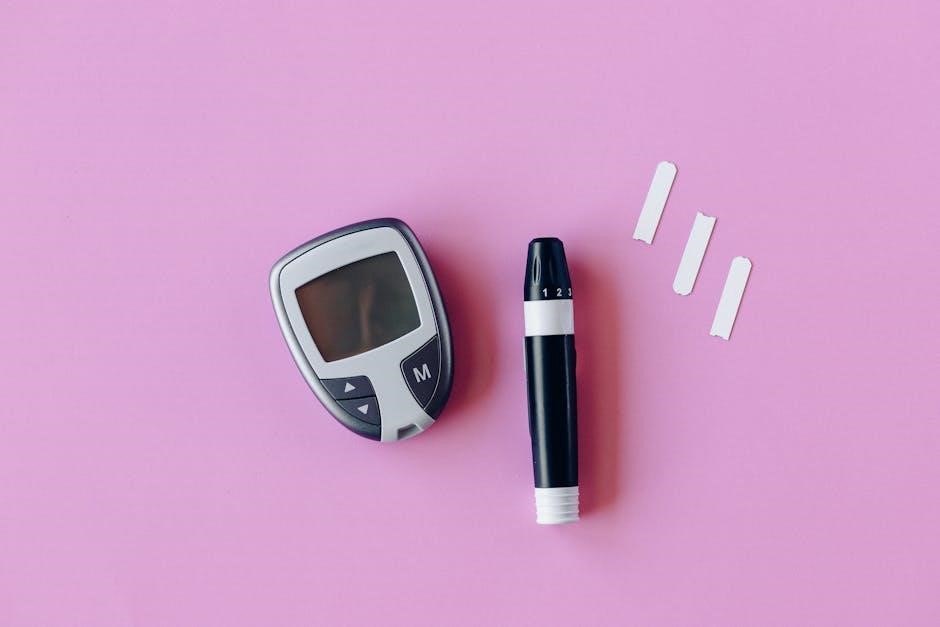
While many individuals experience acid reflux, GERD represents a more severe and ongoing condition. Approximately 20% of the US population is affected by GERD, making it one of the most prevalent digestive disorders. It’s often linked to factors like obesity, hiatal hernia, and certain lifestyle choices, including diet. Identifying and managing trigger foods is a cornerstone of GERD treatment, alongside potential medication and lifestyle adjustments.

The 7-Day Acid Reflux Diet Plan: An Overview
This 7-day diet focuses on reducing acid reflux symptoms by limiting foods that trigger discomfort and emphasizing easily digestible, low-acid options;
Goals of the Diet
The primary goal of this 7-day acid reflux diet is to provide symptomatic relief by minimizing the production of stomach acid and reducing irritation to the esophagus. It aims to control discomfort, such as heartburn, and improve overall digestive health through strategic food choices.
Specifically, the diet seeks to identify individual trigger foods that exacerbate reflux symptoms. By eliminating common culprits like citrus fruits, fatty foods, and caffeine, individuals can better understand their body’s response to different dietary components.
Furthermore, the plan encourages the consumption of foods known to soothe the digestive system, such as oatmeal, bananas, and leafy greens. This approach promotes healing and reduces the frequency and severity of acid reflux episodes, ultimately enhancing quality of life.
Who Can Benefit from This Diet?
This 7-day acid reflux diet is particularly beneficial for individuals frequently experiencing heartburn, regurgitation, or a bitter taste in their mouth – classic symptoms of acid reflux and GERD. Those recently diagnosed with GERD, or suspecting they have it, can use this diet as an initial management strategy.
Individuals who have identified specific foods that trigger their reflux symptoms will find this plan helpful in pinpointing and eliminating those problematic items. It’s also suitable for people seeking a non-pharmaceutical approach to managing their condition.
However, it’s important to note that this diet is not a cure-all. Those with severe GERD or underlying medical conditions should consult a healthcare professional before starting. It’s a supportive tool, best used in conjunction with medical advice and lifestyle adjustments.

Foods to Embrace on Your 7-Day Plan
Prioritize high-fiber options like oatmeal and whole grains, alongside non-citrus fruits such as bananas, melons, and apples for optimal digestive comfort.
High-Fiber Foods: Oatmeal & Whole Grains
Oatmeal and whole grains are excellent choices during your 7-day acid reflux diet, offering significant benefits for digestive health and symptom management. Their high fiber content plays a crucial role in absorbing excess stomach acid, effectively reducing the frequency and severity of reflux episodes.
Fiber-rich foods contribute to a feeling of fullness, potentially aiding in weight management, which can further alleviate GERD symptoms as excess weight often exacerbates acid reflux. Incorporate options like brown rice, quinoa, and whole-wheat bread into your meals.
Remember to choose minimally processed whole grains to maximize their nutritional value and avoid added ingredients that could trigger reflux. A warm bowl of oatmeal can be a soothing and effective way to start your day, providing sustained energy and digestive support.
Non-Citrus Fruits: Bananas, Melons & Apples
When following a 7-day acid reflux diet, selecting the right fruits is essential. Bananas, melons (like cantaloupe and honeydew), and apples are excellent non-citrus choices that are generally well-tolerated by individuals prone to GERD. These fruits have a lower acidity level compared to citrus fruits, minimizing the risk of triggering heartburn or discomfort.
Bananas act as a natural antacid, coating the esophageal lining and providing temporary relief. Melons are hydrating and gentle on the stomach, while apples contain pectin, a fiber that can help absorb excess stomach acid.
Enjoy these fruits as snacks or incorporate them into your meals, but consume them in moderation to avoid any potential digestive upset. Remember individual tolerances vary, so pay attention to how your body responds.
Vegetables: Leafy Greens, Broccoli & Carrots
A cornerstone of a 7-day acid reflux diet involves incorporating non-acidic vegetables. Leafy greens such as spinach and kale are fantastic choices, offering essential nutrients without triggering reflux. Broccoli and carrots are also generally well-tolerated and provide valuable fiber, aiding digestion and potentially reducing acid production.
These vegetables are low in fat and won’t contribute to increased stomach acid like fried or processed foods. They help neutralize stomach acid and promote a healthy digestive system. Steaming or lightly cooking these vegetables is preferable to raw consumption, making them easier to digest.
Remember to monitor your body’s response, as individual sensitivities can vary. Enjoy these vegetables as side dishes or incorporate them into your meals for optimal reflux management.
Lean Proteins: Chicken & Fish
Prioritizing lean proteins like chicken and fish is vital during a 7-day acid reflux diet. These options are lower in fat compared to red meats, minimizing the risk of triggering acid production and subsequent heartburn. Opt for baked, grilled, or poached preparations rather than fried versions, as added fats exacerbate reflux symptoms.
Chicken breast, without the skin, is an excellent source of protein, while fish, particularly fatty fish like salmon, provides beneficial omega-3 fatty acids. These nutrients support overall health without irritating the esophagus. Portion control is key; moderate servings are recommended to avoid overfilling the stomach.
Integrating these lean proteins into your daily meals will contribute to a balanced diet and aid in managing acid reflux effectively.

Foods to Avoid During the 7 Days

Avoid acidic foods like citrus and tomatoes, fatty items, caffeinated drinks, carbonated beverages, chocolate, and mint to minimize acid reflux triggers.
Acidic Foods: Citrus Fruits & Tomatoes
Citrus fruits, including oranges, grapefruits, lemons, and limes, are notorious triggers for acid reflux due to their high acidity levels, irritating the esophageal lining. Similarly, tomatoes and tomato-based products – such as sauces, ketchup, and juice – possess significant acidity, potentially exacerbating heartburn symptoms.
The acidity in these foods can relax the lower esophageal sphincter (LES), allowing stomach acid to flow back up into the esophagus. Individuals following a 7-day acid reflux diet should strictly limit or eliminate these items to assess their impact on symptom management. Opting for non-citrus alternatives like bananas or melons can provide essential nutrients without the reflux-inducing acidity.
Careful consideration of ingredient lists is vital, as hidden tomato products can be present in unexpected foods.
Fatty Foods: Fried Items & Processed Snacks
Fatty foods, encompassing fried items like french fries, onion rings, and fried chicken, significantly contribute to acid reflux. High-fat content delays stomach emptying, increasing pressure on the lower esophageal sphincter (LES) and promoting acid backflow. Processed snacks, often laden with fats and additives, pose a similar risk, triggering discomfort and heartburn.
These foods also stimulate acid production in the stomach, further intensifying reflux symptoms. During a 7-day acid reflux diet, minimizing or avoiding these items is crucial for symptom relief. Healthier alternatives include lean proteins like grilled chicken or fish, and baked, rather than fried, options.
Reading nutrition labels carefully to identify hidden fats in processed foods is essential for successful dietary management.
Caffeinated & Carbonated Beverages
Caffeinated beverages, such as coffee, tea, and energy drinks, can relax the lower esophageal sphincter (LES), allowing stomach acid to flow back into the esophagus, exacerbating acid reflux. Similarly, carbonated beverages, including soda and sparkling water, increase stomach pressure due to the release of gas, contributing to discomfort and heartburn.
These drinks often contain acids that directly irritate the esophageal lining, intensifying symptoms. A 7-day acid reflux diet typically recommends eliminating or significantly reducing intake of both caffeinated and carbonated drinks. Opting for water, herbal teas (non-mint), or diluted fruit juice can provide hydration without triggering reflux.
Carefully reviewing ingredient lists is vital, as caffeine can be hidden in unexpected products.
Chocolate & Mint
Chocolate, despite its delightful taste, is a known trigger for acid reflux due to its high fat content and the presence of methylxanthines, which relax the lower esophageal sphincter (LES). This relaxation allows stomach acid to easily flow back into the esophagus, causing heartburn. Similarly, mint, while often perceived as soothing, can also relax the LES, increasing acid reflux episodes.
Peppermint and spearmint, common in teas and candies, are particularly problematic. A 7-day acid reflux diet generally advises avoiding all forms of chocolate and mint to minimize symptoms. Substituting with alternative flavors or enjoying these treats in very limited quantities, if at all, is recommended.
Individual sensitivities vary, so careful monitoring is key.
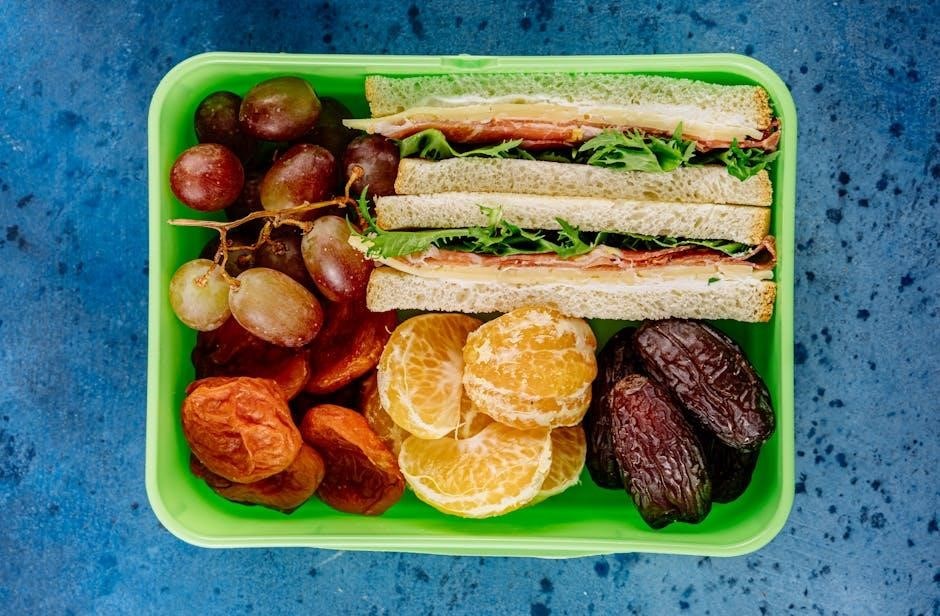
Sample 7-Day Meal Plan
This plan offers a structured approach to managing reflux, beginning with a gentle introduction and progressing to continued symptom control through dietary adjustments.
Days 1-3 focus on easing into the diet, prioritizing easily digestible, low-acid foods to calm the digestive system. Begin with oatmeal for breakfast, paired with a banana – both known for soothing properties.
Lunch could include a small portion of grilled chicken with steamed carrots and a side of brown rice. Dinner should be equally gentle, perhaps baked fish with leafy greens like spinach.
Hydration is vital; drink plenty of water throughout the day. Avoid all trigger foods – citrus, tomatoes, caffeine, carbonation, chocolate, and mint – during this initial phase.
Portion sizes should be moderate to prevent overfilling the stomach. Pay attention to how your body responds to each meal, noting any discomfort or heartburn. This is a crucial step in identifying personal triggers.
Day 4-7: Continued Reflux Management
Days 4-7 build upon the foundation laid in the first three days, continuing to prioritize reflux-friendly foods while subtly expanding options. Continue enjoying oatmeal, bananas, and lean proteins like chicken and fish.
Introduce small portions of other non-citrus fruits like melons and apples. Incorporate broccoli and cauliflower alongside leafy greens for added nutrients; Maintain moderate portion sizes and consistent hydration.
Continue meticulously avoiding trigger foods – fatty items, fried foods, processed snacks, caffeine, carbonation, chocolate, and mint. A food diary is invaluable during this phase, helping pinpoint individual sensitivities.
Observe how your body reacts to the expanded food choices. If symptoms reappear, eliminate the suspected food; This phase emphasizes sustained symptom control and personalized dietary adjustments.

Beyond Diet: Lifestyle Adjustments
Elevating your bed and diligently tracking food intake via a diary are vital complements to the diet, aiding symptom control and identification of triggers.
Elevating Your Bed
Elevating the head of your bed is a simple yet effective lifestyle adjustment for managing acid reflux and GERD symptoms, particularly at night. Gravity plays a key role; raising your upper body helps prevent stomach acid from flowing back into the esophagus while you sleep.
A recommended height is 4-6 inches. This can be achieved by placing bricks or wooden blocks securely under the headboard of your bed. Avoid simply using extra pillows, as this can bend your neck and worsen symptoms.
This adjustment creates a gentle slope, utilizing gravity to keep stomach acid where it belongs. Consistent elevation, combined with dietary changes, can significantly reduce nighttime reflux episodes and improve sleep quality, contributing to overall well-being.
Food Diary & Trigger Identification
Maintaining a detailed food diary is a cornerstone of managing acid reflux and GERD. This involves meticulously recording everything you eat and drink, along with the time of day and any associated symptoms experienced afterward. Be specific – note portion sizes and ingredients.
After a week or two, review your diary to identify potential trigger foods. Look for patterns between specific foods and the onset of heartburn, bloating, or other reflux symptoms. Common culprits include fatty foods, caffeine, chocolate, and acidic items.
A well-maintained record may have three categories: food, time of day, and symptoms. This personalized approach allows you to tailor your diet, eliminating or reducing intake of identified triggers for lasting relief.

Important Considerations & Disclaimer
Hydration is vital for overall health and can aid digestion, but always consult a healthcare professional for personalized advice regarding GERD management.

Hydration is Key
Maintaining adequate hydration is crucial throughout this 7-day acid reflux diet, but the type of fluids matters significantly. Water is the best choice, aiding digestion and helping to dilute stomach acid, potentially lessening reflux episodes.
Aim for 5 to 8 servings of water daily, adjusting based on activity level and climate. However, strictly avoid caffeinated and carbonated beverages, as these can relax the lower esophageal sphincter, exacerbating acid reflux. Herbal teas, like chamomile or ginger, may offer soothing benefits, but ensure they are non-minted.
Proper hydration supports overall digestive function, which is essential when modifying your diet to manage GERD symptoms. Remember to sip water throughout the day rather than consuming large amounts at once, which could potentially trigger discomfort. Listen to your body and adjust fluid intake accordingly, always prioritizing water as your primary source of hydration.
Consulting a Healthcare Professional
This 7-day acid reflux diet plan is intended as a supportive measure and should not replace professional medical advice. It’s vital to consult with a healthcare provider or registered dietitian before starting any new dietary regimen, especially if you have underlying health conditions.
A doctor can accurately diagnose the cause of your acid reflux or GERD and rule out more serious conditions. They can also personalize a treatment plan tailored to your specific needs, potentially including medication alongside dietary changes.
Keep a detailed food diary, noting symptoms and timing, to share with your healthcare provider. This helps identify individual trigger foods and assess the diet’s effectiveness. Self-treating can be risky; professional guidance ensures safe and appropriate management of your acid reflux symptoms and overall health.
